

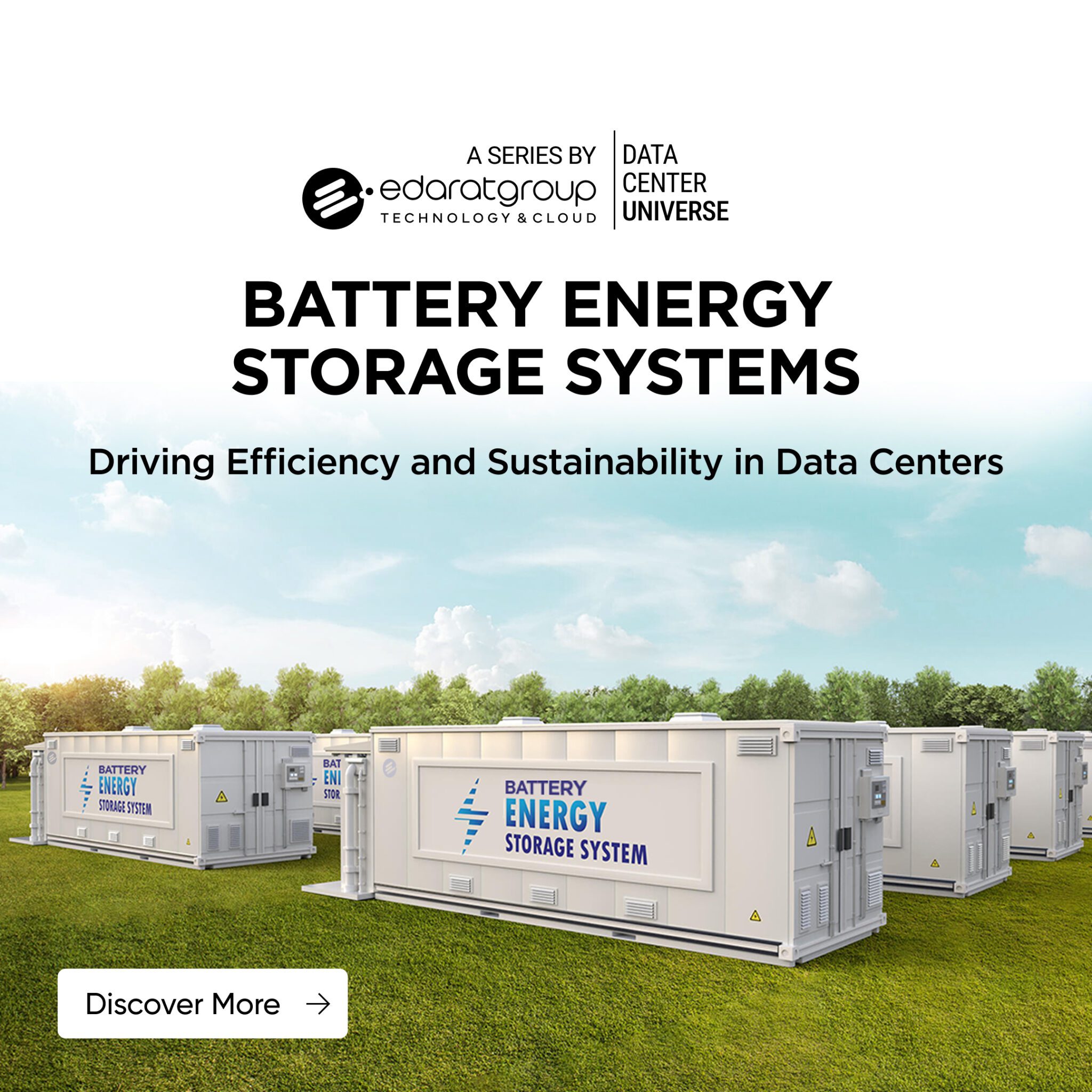
The increasing demand for Data Centers and their high computing capabilities and the introduction of renewable energy to decarbonize the power grids are the main incentives for data center owners and transmission system operators to implement solutions that can be the remedy for reducing the associated impacts. The above cannot be achieved without allowing the introduction of renewable power generation to cater for higher load demands and to reduce reliance on fossil fuel generation thus reducing the impact on environment. Also, it cannot be achieved without affecting the grid resiliency and stability during high fluctuation of energy production and energy consumptions imposed by different time periods and weather conditions. The battery energy storage system, which is the subject of this paper, is considered a good remedy for both solving the above issues and imposing other benefits at the same time.
The paper begins by explaining the growing need for energy storage systems, especially Battery Energy Storage Systems (BESS), in data centers. This need arises from the global shift toward low-carbon energy sources to combat climate change and reduce environmental impact.
Traditional fossil-fuel-based systems provided inertia, helping stabilize the grid during demand fluctuations. However, renewable sources like solar and wind are variable and slower to respond, leading to potential grid instability.
The paper begins by explaining the growing need for energy storage systems, especially Battery Energy Storage Systems (BESS), in data centers. This need arises from the global shift toward low-carbon energy sources to combat climate change and reduce environmental impact.
Traditional fossil-fuel-based systems provided inertia, helping stabilize the grid during demand fluctuations. However, renewable sources like solar and wind are variable and slower to respond, leading to potential grid instability.
The global shift from fossil fuels to cleaner energy sources like solar and wind is accelerating. While this transition supports climate goals, it introduces grid stability challenges due to the intermittent nature and low inertia of renewable energy:
BESS offers a solution:

For data centers, BESS—combined with UPS systems—can:

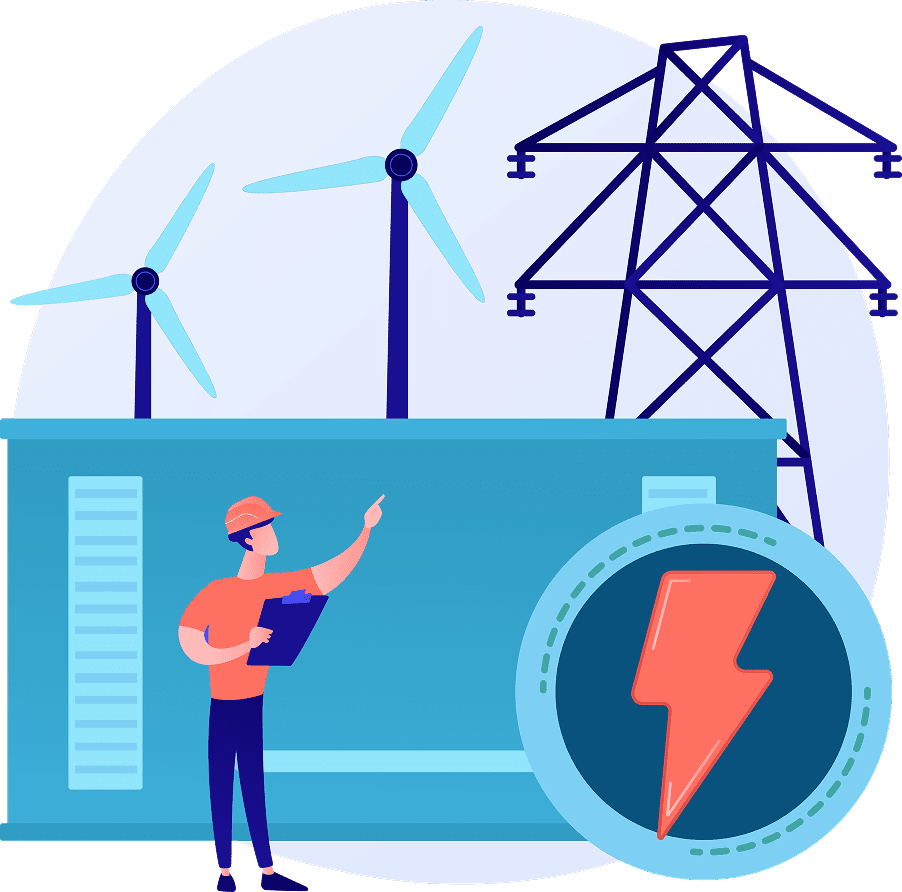
The global shift from fossil fuels to cleaner energy sources like solar and wind is accelerating. While this transition supports climate goals, it introduces grid stability challenges due to the intermittent nature and low inertia of renewable energy.

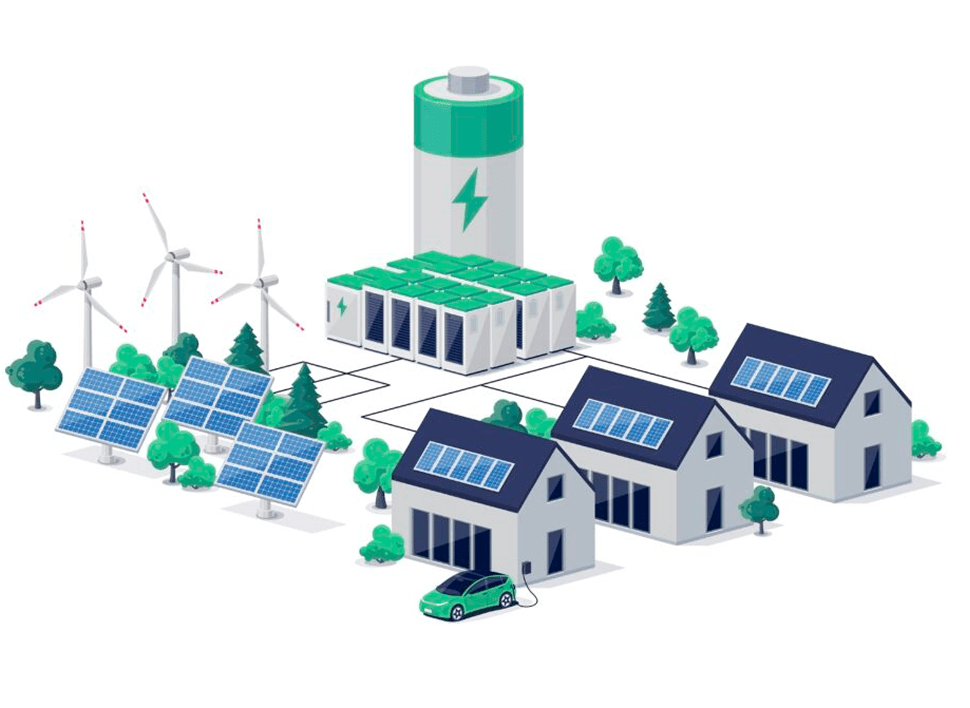


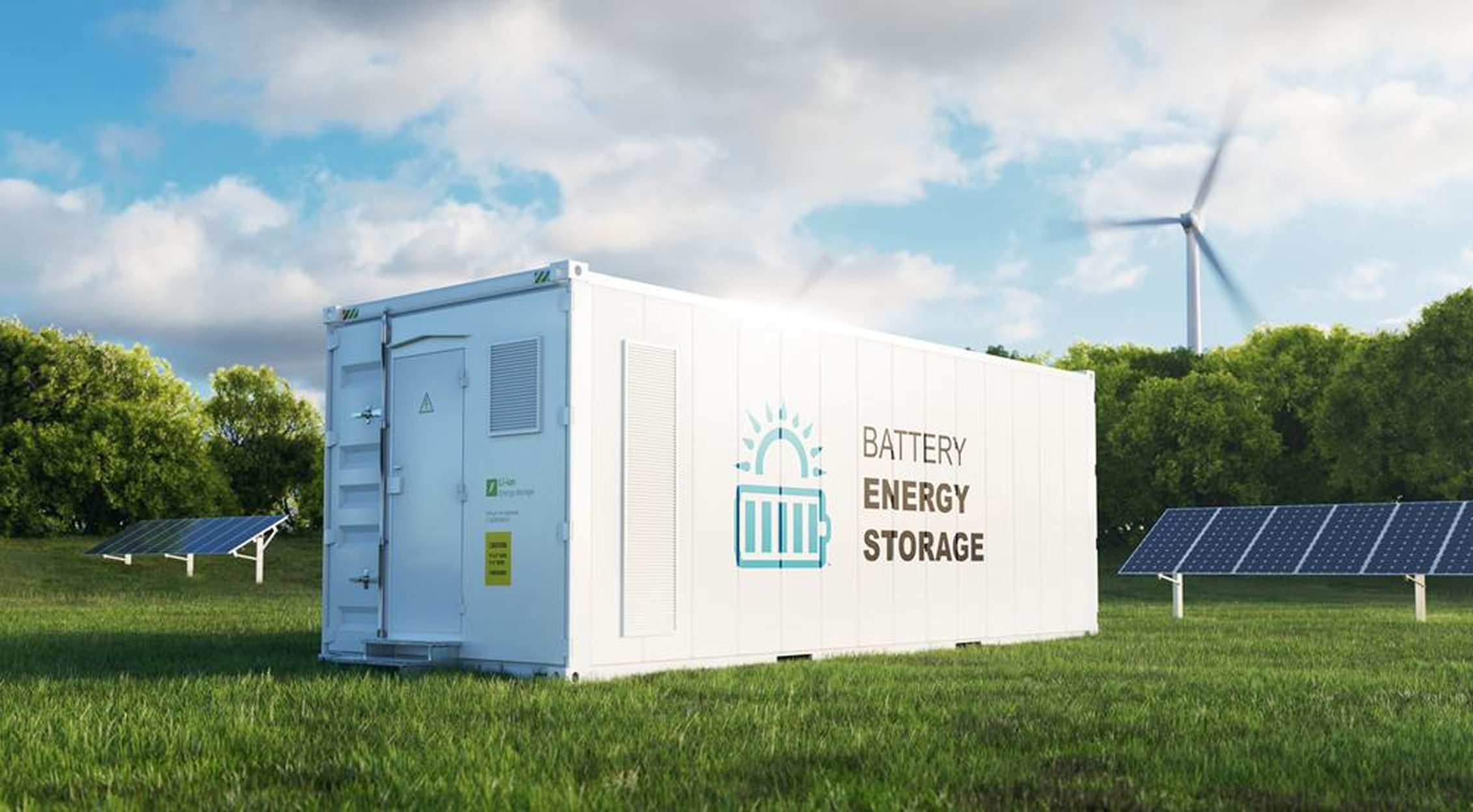
Electricity delivery involves multiple stages—generation, transmission, and distribution—each requiring ancillary services to maintain grid stability and reliability.
As renewable energy penetration increases, grid fluctuations become more common, intensifying the need for these services. This opens up opportunities for Distributed Energy Resources (DERs)—especially energy storage systems like BESS—to play a critical role in supporting grid operations.
As power systems transition toward decarbonization and phase out nuclear and fossil-based synchronous generators, the grid loses a critical stabilizing factor: inertia.


Maintaining a safe RoCoF limit is essential to ensure the grid can withstand stress and avoid cascading failures.
Frequency regulation is a vital ancillary service that ensures grid stability by maintaining the system frequency (typically 50 or 60 Hz) within acceptable limits. It corrects imbalances between electricity supply and demand in real time.


Utilities in Europe, North America, and Australia are increasingly using energy storage systems for frequency regulation.
Inertia in power systems is the grid’s ability to resist sudden frequency changes, especially during disturbances like generator outages or demand spikes. It’s crucial for maintaining grid stability.


As traditional synchronous inertia declines due to increased renewable energy, grids rely more on fast-acting reserves to manage sudden frequency drops caused by events like generator outages.


The paper emphasizes BTM BESS as the most impactful and flexible solution for modern energy systems.
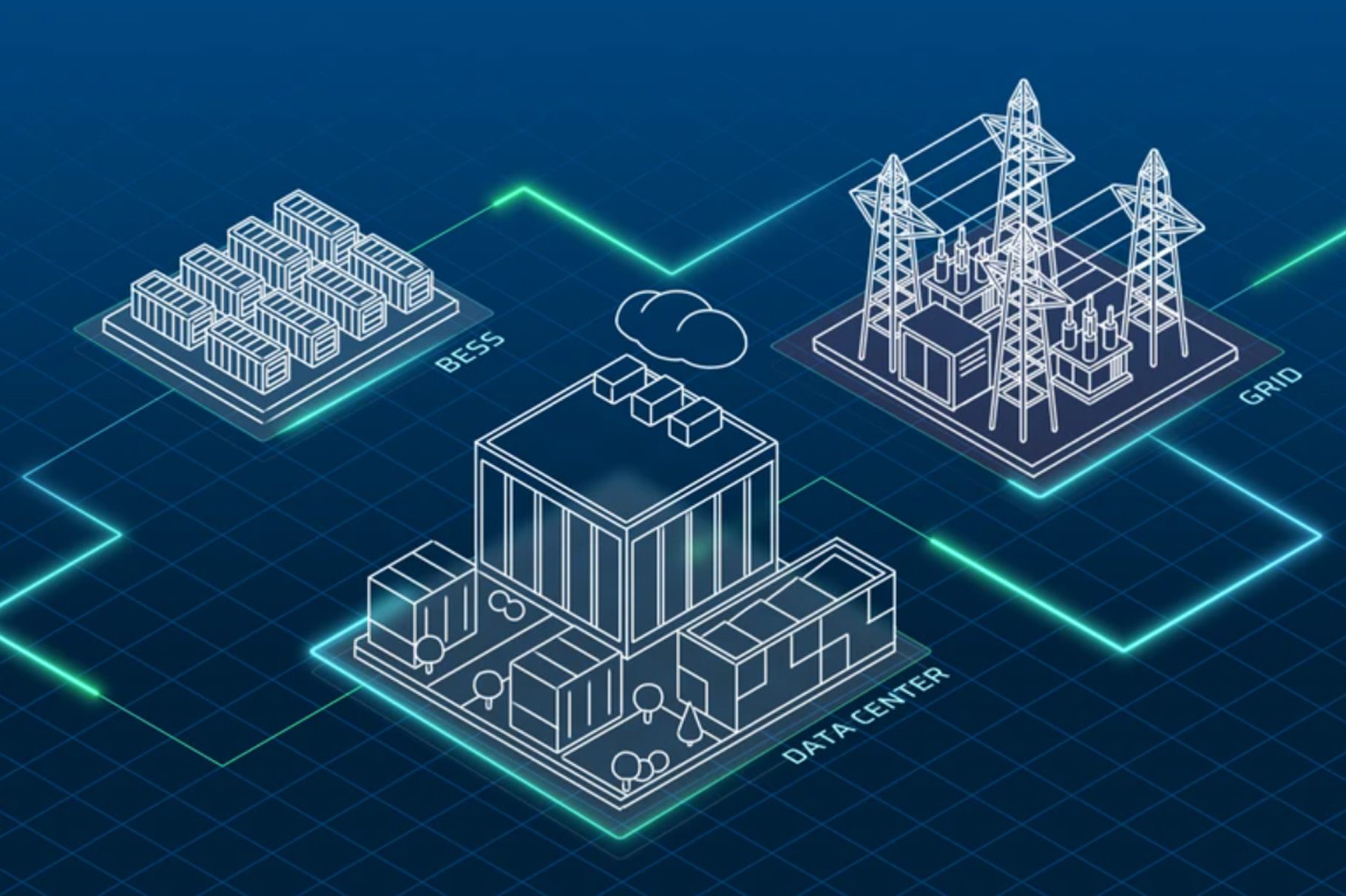
Modern data centers rely on backup generators and Uninterruptible Power Supplies (UPS) to ensure continuous power. While generators can support ancillary services, they are not ideal for rapid frequency regulation due to emissions and slow response times.



UPS systems must fail safely, reverting to their primary role of protecting critical infrastructure if grid conditions become unstable.
Battery Energy Storage Systems (BESS) can deliver 13 distinct services across three stakeholder groups: ISOs/RTOs, utilities, and customers. These services enhance grid stability, reduce costs, and create revenue opportunities—especially for behind-the-meter (BTM) applications.
Battery Energy Storage Systems (BESS) can deliver 13 distinct services across three stakeholder groups: ISOs/RTOs, utilities, and customers. These services enhance grid stability, reduce costs, and create revenue opportunities—especially for behind-the-meter (BTM) applications.


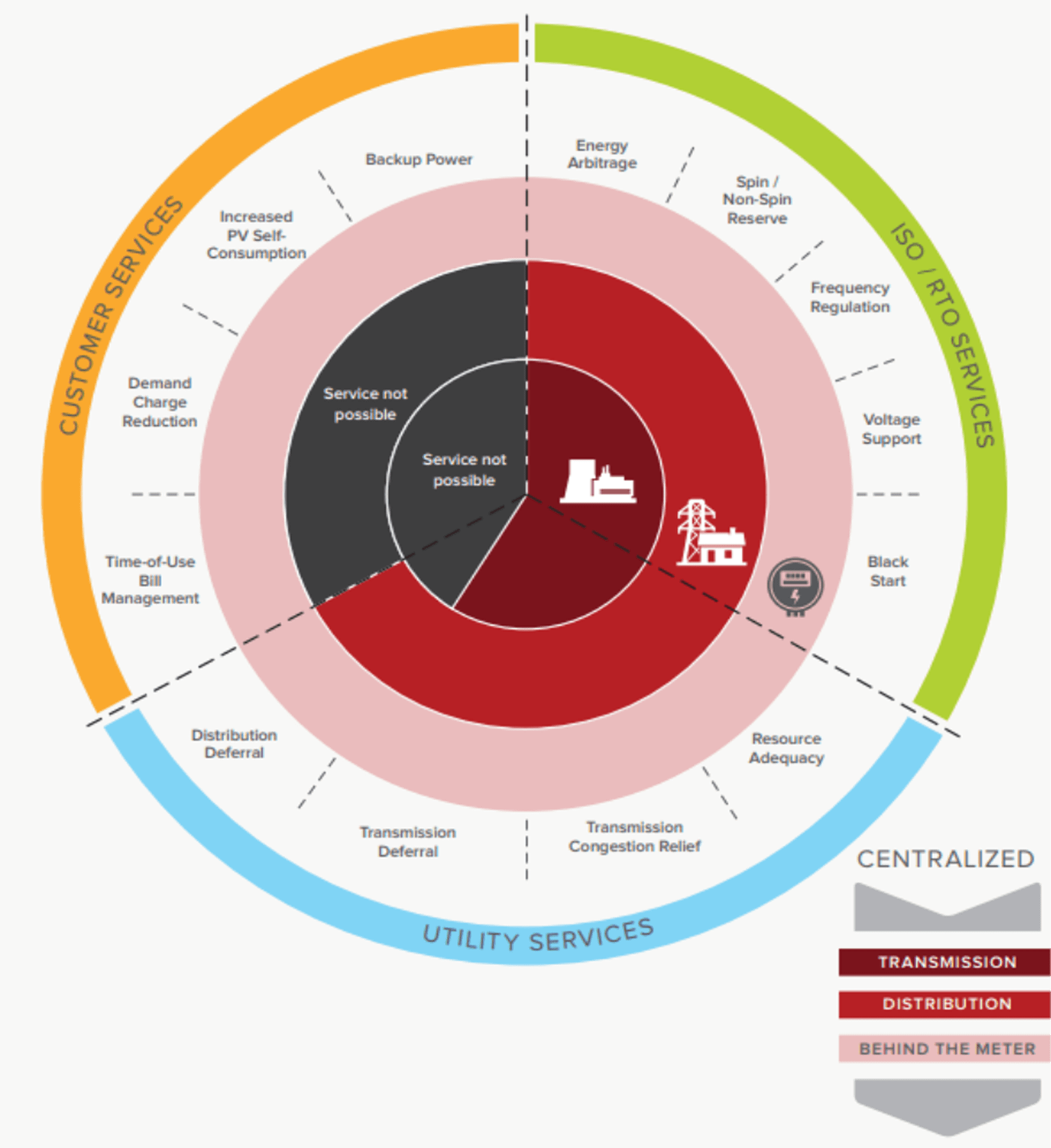
The above figure illustrates the range of services that BESS can offer to each of the three electricity grid stakeholders, based on both centralized and distributed installation types.
Energy storage systems are increasingly used in data centers to participate in ancillary services like peak shaving, frequency regulation, and Fast Frequency Response (FFR), which offer higher revenue potential than traditional energy markets.


Battery + Converter System
~50% of total cost
Already installed
Grid Connection, Site, etc.
~50% (property, civil works)
Covered by data center design
Incremental Cost for Grid Support
Full investment required
Marginal control upgrades only
By leveraging existing UPS infrastructure, data centers can cut capital costs and unlock new revenue streams through participation in energy markets.
Battery Energy Storage Systems (BESS) are gaining widespread adoption due to a combination of technological advancements, market needs, and regulatory support.


Battery Energy Storage Systems (BESS) are gaining widespread adoption due to a combination of technological advancements, market needs, and regulatory support.


A Behind-the-Meter (BTM) BESS for data centers includes several integrated components designed for safe, efficient, and flexible energy storage and grid interaction.


Lithium-ion batteries are the most vital and expensive part of a Battery Energy Storage System (BESS). Selecting the right chemistry and configuration is key to optimizing performance, safety, and cost.


Share this post
Sustainability isn’t just a buzzword; it’s about balancing environmental, social, and economic needs. At Edarat Group, we design smarter, greener data centers that harness solutions like rainwater harvesting to cut water waste and boost efficiency.